Anytime I’ve mentioned going to Antarctica, penguins become a topic of conversation within moments. Penguins are what everybody immediately associates with Antarctica (except for some people who ask about polar bears, which are only found in the North). I was excited to see them, but I wasn’t ready for how great it was.
I’ve seen penguins in aquariums and sanctuaries before, and it’s always been very interesting, but seeing them in their natural environment was an entirely different experience. They would slide around on their bellies, run around playing with each other, and they were frequently seen traveling along the sea ice.
There are two types of penguins found near McMurdo station, emperor penguins and adélie penguins. Emperor penguins are what you may imagine a penguin to look like, majestic and beautiful. They are large (for penguins), with colors running through their feathers and, fitting their name, a somewhat imperial bearing.
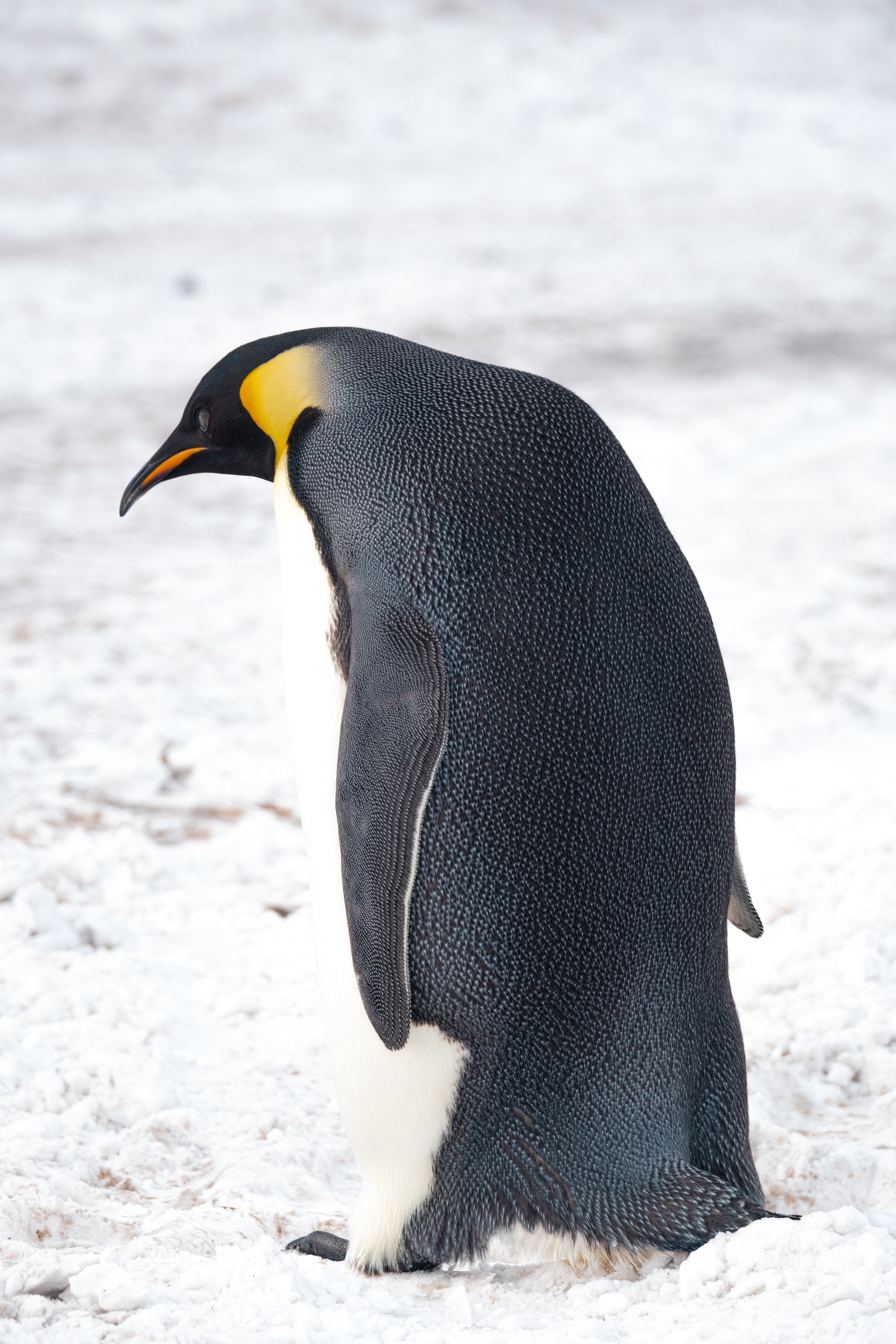
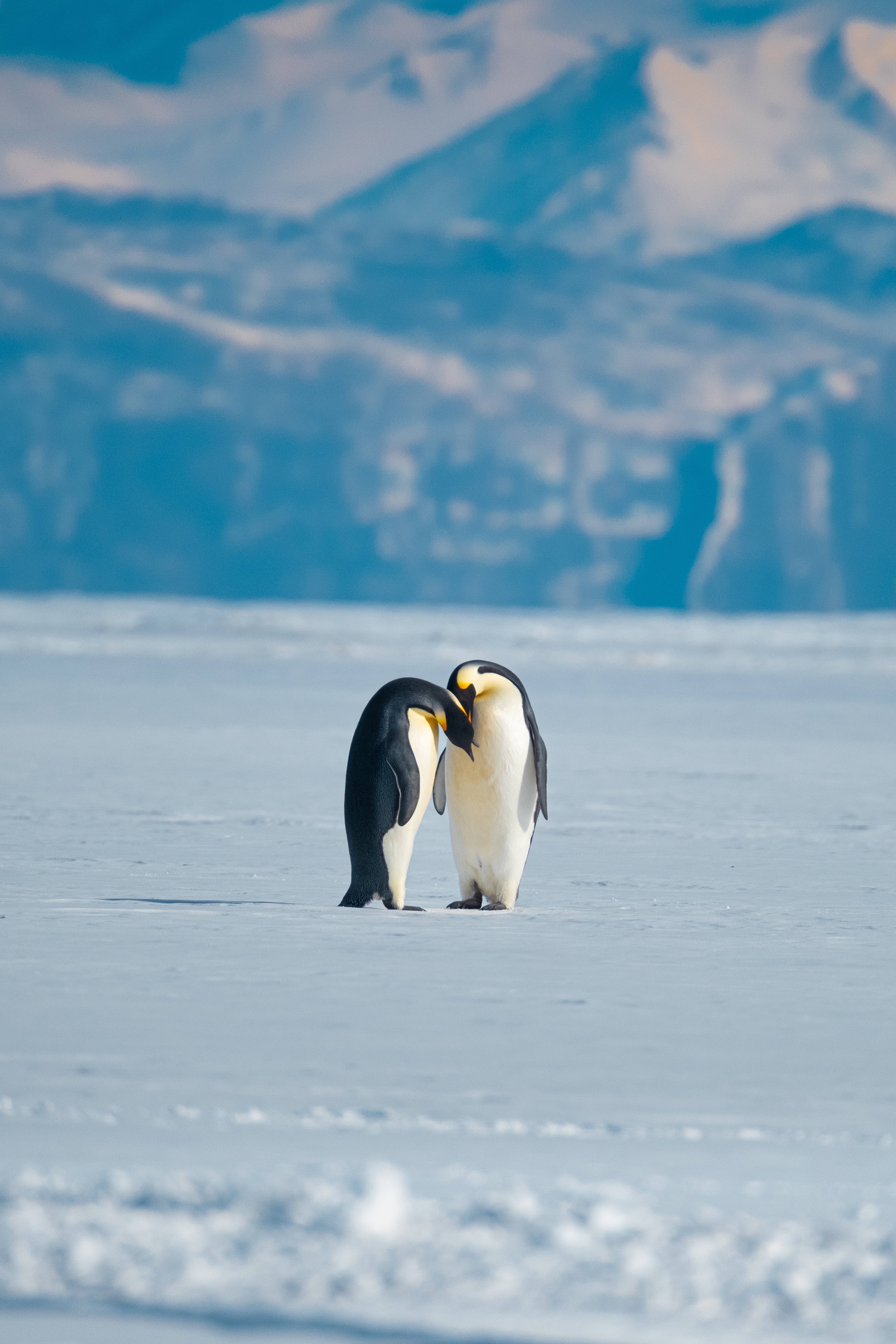

Above: Emperor penguins at McMurdo. The left two photos, taken by Griffin Perez, show emperors on the sea ice that borders McMurdo. The right photo, taken by myself (Zig Lewon), shows an emperor that has wandered up the road into town.
Adélie penguins are the complete opposite of emperors. They are much smaller, with fewer colors, they look funny, and they act like toddlers. They waddle around, jumping and sliding. They lay on the ground like oversized footballs. While they may not be as elegant or beautiful as the emperors, it doesn’t detract from how much fun it is to see them playing with each other and waddling and sliding. It’s hard to do them justice without videos, but I’ll let the pictures speak for themselves.


Above: Adélie penguins playing on the sea ice.
Both types of penguins are a delight to see in their natural habitat. They are an uncommon sight, so catching a group of penguins (a “waddle” on land, a “raft” in water) is always a special experience that brings joy and a reminder that we work in such a magical place.