 RSS
RSS
Roger Pielke, Jr. quoted in an Al Jazeera America article on extreme weather.
The next superstorm: Preparing for extreme weather
Scientists debate impact of climate change, but agree we must brace ourselves for natural disasters
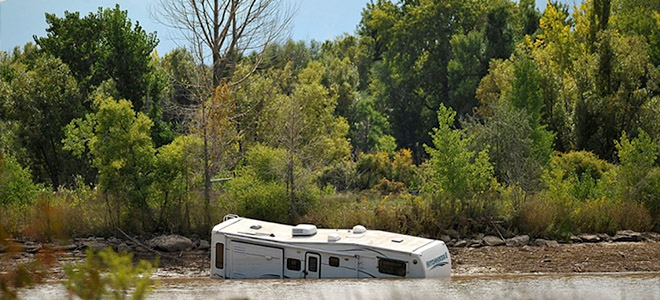
Hurricane Katrina wreaks havoc on the Gulf Coast in 2005. Superstorm Sandy brings destruction to the East Coast in 2012. Heavy rains in the middle of the country lead to flooding in the rugged Rocky Mountains in 2013.
Each crisis brings greater urgency to preparations for the next storm. Scientists disagree on whether climate change is causing these cataclysms, but agree that humans, whose carbon emissions have altered the environment, need to change their thinking and habits to reflect the new, powerful effects of disastrous weather.
“All weather events these days are affected by climate change,” argues Kevin Trenberth, a senior scientist at the National Center for Atmospheric Research in Boulder and a lead author of several assessments by the United Nations-backed Intergovernmental Panel on Climate Change (IPCC). Extreme events like Sandy “are developing in an environment that is different than it would have been without climate change,” he told Al Jazeera. For instance, climate change has made our world wetter, meaning storms pack more water power: “It rains harder, the storms tend to be a bit stronger,” Trenberth said. Read more …
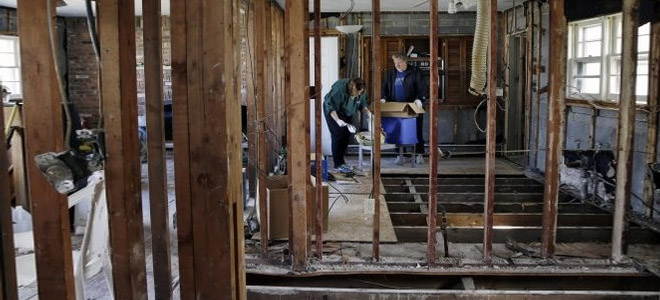
 Deserai Anderson Crow and Elizabeth Albright (Duke University) are analyzing local-level policy responses to extreme flood events in the aftermath of Colorado’s 2013 floods. Policy learning in the wake of extreme events can at times lead to adaptation of local policies to increase the resilience of communities faced with risk from extreme events. By examining the occurrence of and response to extreme flooding events, this study seeks to illuminate the important factors explaining variation in local level policy learning in response to the extreme floods. This study, funded by a Quick Response Grant from the University of Colorado’s Natural Hazards Center, will involve a cross-case investigation of communities affected by the September 2013 floods in Colorado, and the community-level decisions made in response to those floods.
 On October 22, Max Boykoff will be speaking at the University of Copenhagen’s Sustainability Science Centre on “What have future generations done for me lately? Making sense of the role of media in shaping awareness and engagement with climate change”. In his talk, Boykoff will highlight how particular problems in the web of interaction between science, media, policy and the public have contributed to (mis)perceptions, debates, and varied understandings to climate challenges.
  Graduate student