It has been an unusually stormy Winfly here in McMurdo so we haven’t been able to fly our drones as much as we had hoped. In the last week we did get a stretch of clear, calm, cold weather, with temperatures down near -40 F on the ice shelf where we are doing our flights, that allowed us to do lots of flights and get some great data. Those few days have helped save our season. Phew!!!
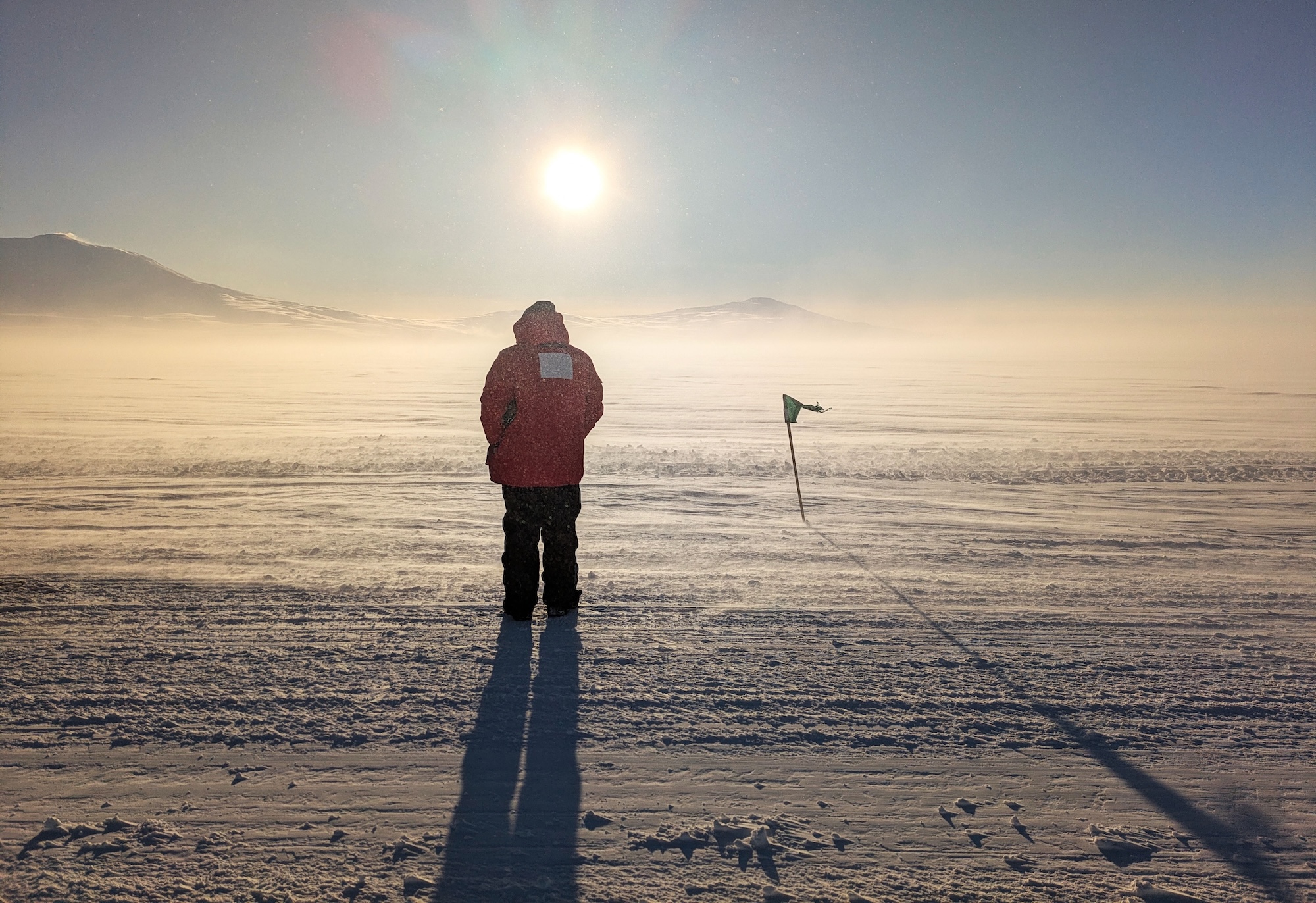
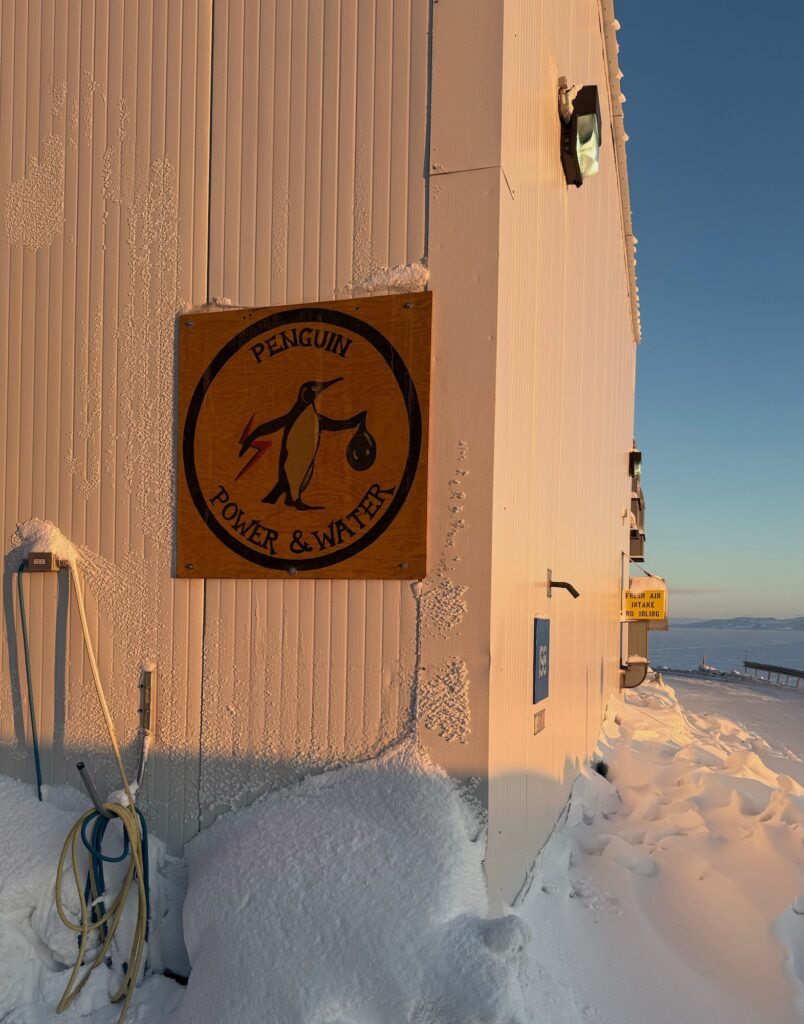
I love this photo that Kara took of me staring through the blowing snow. It captures the essence of this trip – lots of wind and unpleasant weather.This photo, taken just 15 minutes after the photo above, is looking out the windshield of our van as we are driving along the snow road scouting locations for drone flights. The weather here changes quickly and on this morning the wind suddenly picked up and we found ourselves driving into a ground blizzard. A ground blizzard occurs when strong winds pick up snow on the ground and reduces visibility even if there is no new snow falling. In this photo you can see blue sky above the dense blowing snow that reduced visibility to just a bit more than 100 feet, condition 2 weather. The flags on the side of the snow road are spaced 100 feet apart and we could barely see more than one flag in front of us at a time. With the strong winds and blowing snow we were unable to do any more drone flights this morning.When the weather didn’t allow us to fly or in the evenings I have toured some of the interesting sites around McMurdo. On the logistics side of keeping McMurdo running I visited both the McMurdo powerplant and wastewater treatment plants. I love that these utilities are called Penguin Power & Water (PPW).Nearly all the electricity used in McMurdo comes from five generators like the one shown in this photo. Typically, only one or two generators run at a time to supply all of McMurdo’s power needs. There are also three wind turbines on the hill between McMurdo and Scott Base that provide electricity to the McMurdo – Scott Base power grid. The powerplant operator told me that the generators burn between 50 and 60 gallons of fuel per hour to generate McMurdo’s electricity, or about 500,000 gallons per year. This illustration shows how the McMurdo wastewater treatment plant processes all of McMurdo’s wastewater and makes it pure enough to be discharged into McMurdo Sound. The wastewater is processed through biological decomposition and with UV light.In this photo Kara and our wastewater plant tour guide, Dee, are walking on scaffolding above one of the wastewater treatment tanks (the aeration basin in the diagram above). I was amazed to see the sludgy, disgusting water that was in this tank eventually becomes clear water at the end of the treatment process. Very impressive.
On a less industrial note, I have also toured two historic huts over the last few weeks. The older of the two huts dates from Sir Robert Falcon Scott’s British National Antarctic Expedition of 1901 to 1904.
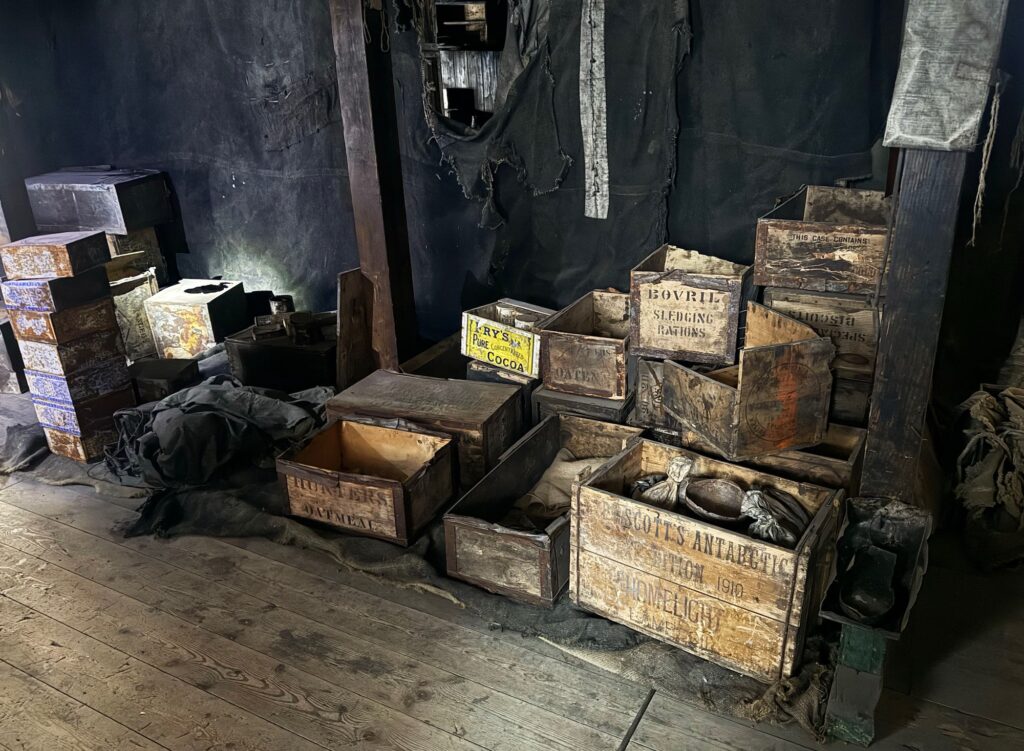
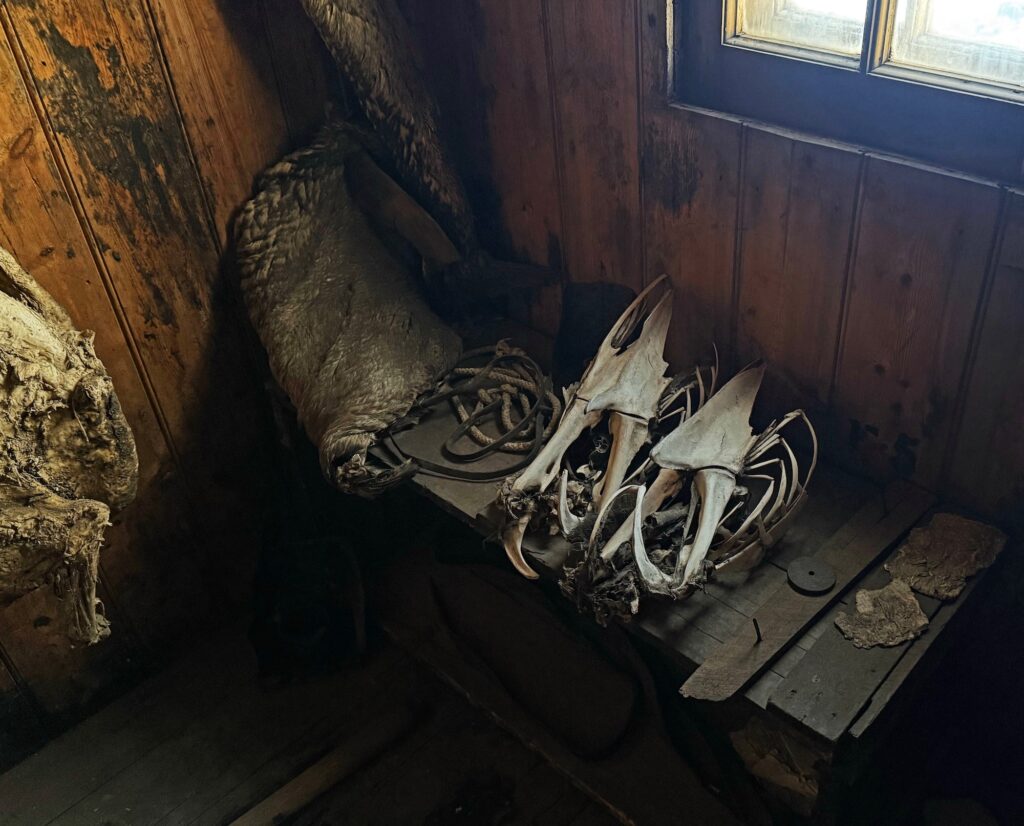
Scott’s hut, named the Discovery Hut after the ship, Discovery, that Scott used for this expedition, was built in February 1902. Despite its age the hut is still in surprisingly good shape.The Discovery Hut was used for storage while the expedition crew lived on board the Discovery ship. Expedition supplies from Scott’s ill-fated trek to the South Pole in 1911-1912 are still present in the hut. In this photograph you can see some of the food – sledging rations, biscuits, oatmeal and cocoa.Carcasses of seals, penguins and sheep can be seen in the hut and have been preserved by the cold, dry weather for more than 100 years.I love the contrast between the 100+ year old wooden hut on the left side of this photograph with the relatively modern buildings of McMurdo Station in the background.
The other historic hut I visited is called the Hillary Hut and it is located on Scott Base, just over the hill from McMurdo.
The Hillary Hut dates from 1956 when New Zealand’s Scott Base was established to support the Commonwealth Trans-Antarctic Expedition. This expedition made the first overland crossing of Antarctic via the South Pole. The hut was named after Sir Edmund Hillary, the leader of the Scott Base team during the expedition. Hillary is most famous for being the first person, along with Tenzing Norgay, to summit Mt. Everest in 1953.The hut consists of several rooms including a dining room with a piano. I love the painting of a New Zealand sheep station (ranch) on the wall. The room makes you feel like you could be in a 1950s holiday home somewhere in the mountains of New Zealand, until you look out the window.This view from one of the hut’s windows looks almost like a painting. The evening I toured the hut the sunset over the ice shelf was beautiful. I love the nearly full mooning hanging above the pastel colors of sunset and the cold white ice shelf. Kara and I have been doing our drone flights on the ice shelf that you can see in the background of this photo.
If the weather cooperates Kara and I are scheduled to fly north to New Zealand in just a couple of days. I’ll write about the drone flights we’ve been doing in my next blog post.