print of a drawing of three men on a hill

By James Rattling Leaf, Tribal Advisor ESIIL and NC CASC As the world increasingly relies on geospatial technologies, artificial intelligence, satellite imagery, and digital mapping to understand our planet, we must ask a deeper question: What does it mean to truly understand a place? From an Indigenous perspective, spatial thinking has never been about simply… Read More
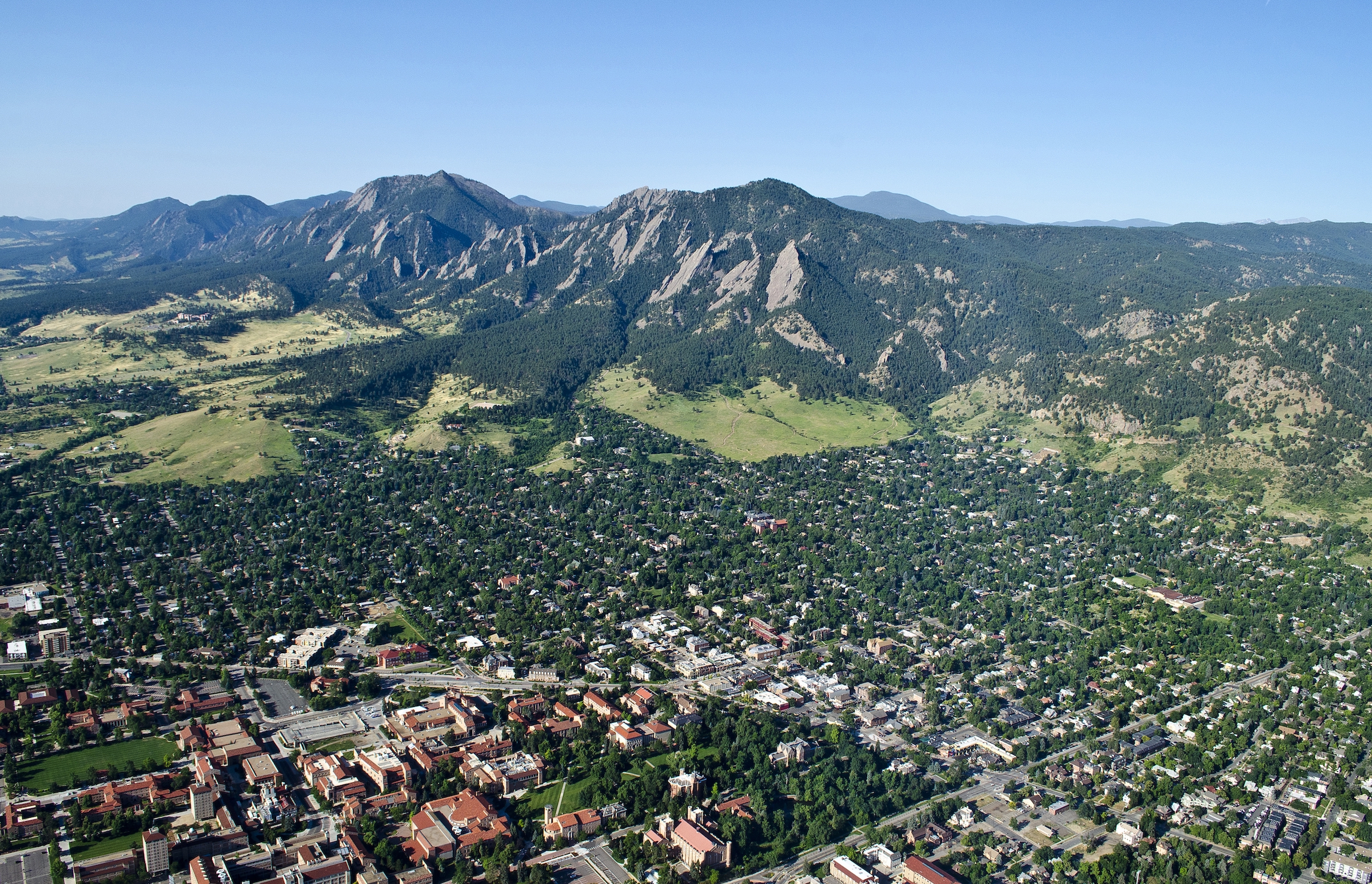

Blue sky, flatiron mountains, green foothills, and CU campus.

An Indigenous vision for sustainability, aligned with CU Boulder, calls for humility, reciprocity, and shared responsibility. It asks us to shift from extraction to relationship, from domination to collaboration, and from short-term solutions to intergenerational stewardship. … Read More


The United States has a unique and legally binding relationship with Indian Tribes, recognizing them as sovereign political entities rather than racial or ethnic groups. This distinction is crucial, as it forms the foundation for federal obligations toward Tribes, including the delivery of services, protection of lands, and recognition of Tribal self-governance. The federal trust… Read More